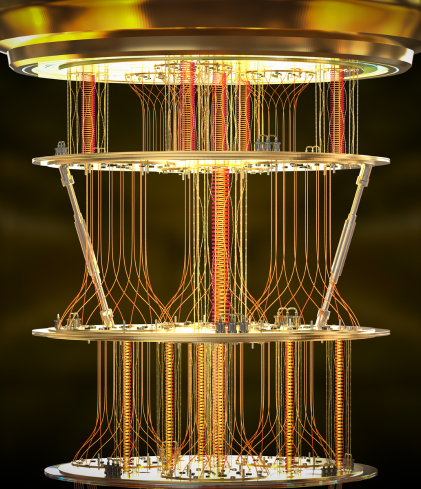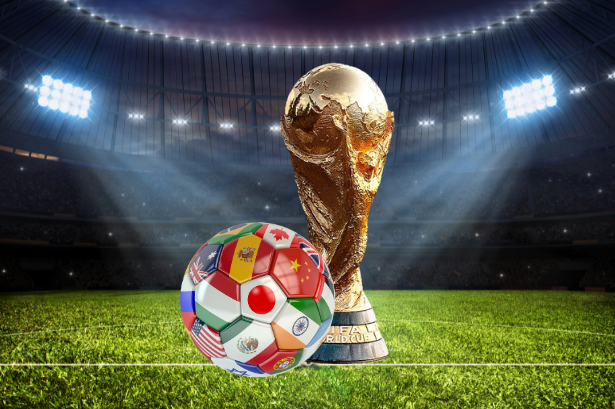

The semiconductor industry is one of the most competitive arenas in the world. Global leaders battle for market share, innovation, and influence in much the same way football nations compete for World Cup glory.
So, if the world's biggest semiconductor companies were World Cup nations, who would they be?
1. NVIDIA = Argentina
The reigning superstar.
Argentina currently boasts some of the world's most exciting talent, led by Lionel Messi. NVIDIA occupies a similar position in semiconductors, riding the AI boom and dominating headlines wherever it goes.
Everyone wants to beat them. Few can.
2. Intel = Brazil
The historical giant. Brazil's five World Cups mirror Intel's decades of dominance. While newer challengers have emerged, both remain household names with unmatched legacies.
The glory days may be behind them, but nobody writes them off.
3. AMD = France
Modern, dynamic, and dangerous.
France combines established stars with emerging talent and consistently challenges for trophies. AMD has followed a similar path, transforming itself from challenger to genuine heavyweight across CPUs and data centres.
Never underestimate them.
4. TSMC = Germany
The engine room.
Germany's success has always been built on efficiency, consistency, and execution. TSMC doesn't always grab headlines, but without it much of the semiconductor world simply wouldn't function.
Reliable, precise, and absolutely essential.
5. Samsung Semiconductor = England
Loaded with talent and resources.
England always enters tournaments with high expectations. Samsung enters every market with enormous investment and world-class capabilities.
The question isn't whether they can compete. It's whether they can turn potential into dominance.
6. Qualcomm = Spain
Masters of control.
Spain revolutionised football through possession and technical excellence. Qualcomm has similarly become synonymous with mobile connectivity and smartphone innovation.
They don't always attract the biggest headlines, but their influence is everywhere.
7. Broadcom = Netherlands
Consistently elite.
The Netherlands may not have won a World Cup, but they are always among the most respected footballing nations. Broadcom occupies a similar position in semiconductors, quietly delivering outstanding results year after year.
Always in the conversation.
8. Micron = Croatia
Punching above their weight.
Croatia consistently outperforms expectations despite a smaller population. Micron does much the same in memory technology, competing effectively against much larger rivals.
Resilient, focused, and difficult to beat.
9. Texas Instruments = Uruguay
The experienced veteran.
Uruguay's football history commands respect despite not always being in the spotlight. Texas Instruments has a similar reputation, with decades of expertise and an enduring presence across global electronics.
A classic that refuses to fade.
10. MediaTek = Portugal
The rising contender.
Portugal spent years being viewed as a challenger before becoming a genuine force. MediaTek has followed a similar trajectory, gaining significant ground in smartphones and connectivity markets.
Its best years may still lie ahead.
11. ASML = Belgium
The kingmaker.
Belgium's golden generation elevated the country's status on the world stage. ASML has done something similar within semiconductors, becoming indispensable through its extreme ultraviolet lithography technology.
Without ASML, the modern semiconductor tournament looks very different.
12. GlobalFoundries = Morocco 🇲🇦
The giant killer.
Morocco's remarkable 2022 World Cup run captured global attention by defeating some of football's biggest names. GlobalFoundries has built a reputation for competing successfully in a market dominated by larger players.
They thrive when underestimated.
Final League Table
| Semiconductor Company | World Cup Nation |
|---|---|
| NVIDIA | Argentina |
| Intel | Brazil |
| AMD | France |
| TSMC | Germany |
| Samsung Semiconductor | England |
| Qualcomm | Spain |
| Broadcom | Netherlands |
| Micron | Croatia |
| Texas Instruments | Uruguay |
| MediaTek | Portugal |
| ASML | Belgium |
| GlobalFoundries | Morocco |
The semiconductor industry and international football have more in common than you might think: both reward innovation, investment, long-term strategy, and the ability to perform under pressure.
The only question remaining is: if these companies entered a World Cup of their own, who would lift the trophy in 2026?